New Westminster top Concrete Contractor for Quality Concrete Services
New Westminster top Concrete Contractor for Quality Concrete Services
Blog Article
Experienced Concrete Contractor for All Your Building Needs
Selecting a seasoned concrete professional is necessary for the prosperity of any building project. Their expertise ensures that tasks are completed efficiently and to a high standard. These professionals handle challenges with expertise and have long-standing partnerships that ease material sourcing. Understanding local regulations and stressing safety are also important elements of their role. Yet, many miss out on the long-term benefits of choosing the right contractor. What factors should one consider when making this important decision?
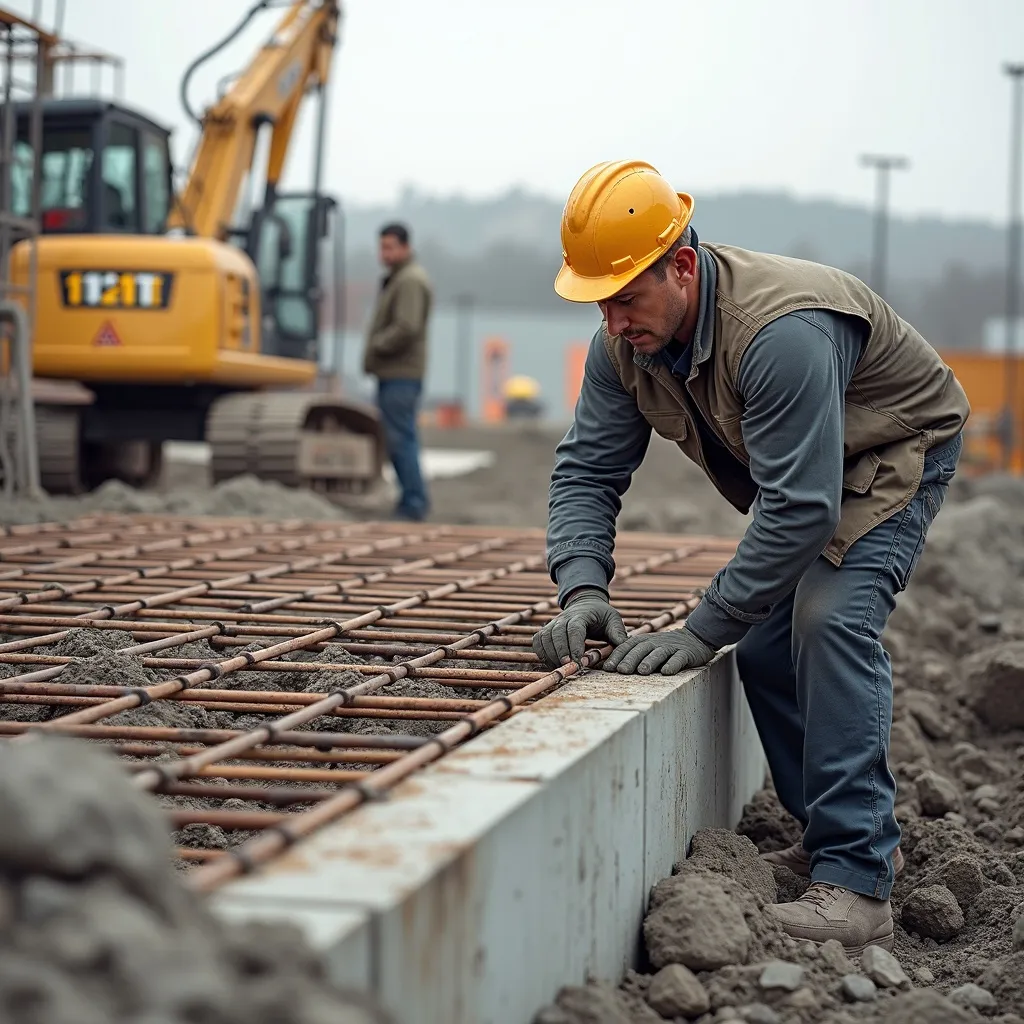
Why Choosing an Accomplished Concrete Contractor Deserves Attention
When evaluating a construction project, the significance of hiring an experienced concrete contractor cannot be overstated. An experienced contractor brings a wealth of knowledge and abilities that are vital for ensuring the standards and durability of concrete work. Their familiarity with various techniques and materials enables for improved choices, ultimately producing a stronger and dependable structure.
Moreover, veteran contractors are proficient at handling possible difficulties that may emerge during the building operation. They are ready to address surprising complications efficiently, reducing postponements and surplus expenses. In addition, an experienced contractor typically has strong relationships with supplementary information material providers and contractors, which can improve the procurement of materials and resources.
Key Attributes of a Reputable Concrete Contractor
A trustworthy concrete construction specialist has several essential qualities that distinguish them in the building sector. Primarily, strong communication skills are fundamental; they guarantee that customers are kept updated throughout the project, building trust and clarity. Additionally, a solid reputation built on positive customer feedback and recommendations indicates a contractor's dependability and quality of work.
Moreover, expertise in various concrete applications, along with understanding of the latest techniques and materials, allows them to deliver superior results. Careful attention to specifics is another significant quality, as it guarantees precise measurements and excellent levels of workmanship.
At last, a pledge to safety and regulatory compliance indicate professionalism and responsibility. By adopting these traits, a reliable concrete contractor not only meets client expectations but also facilitates effective project completion, making them indispensable in the construction field.
How to Pick the Right Concrete Project for Your Requirements
Deciding on the suitable concrete assignment requires careful thought of defined needs and objectives. Individuals should begin by considering the intended use of the concrete, whether for driveways, foundations, or decorative elements. A clear knowledge of the project's purpose guides the selection of materials and methods.
Next, financial boundaries are an essential role. Evaluating available financial resources helps in determining the scale and complexity of the project. Additionally, the local climate can determine the choice of concrete selection and finishing techniques, ensuring durability and longevity.
It is also important to account for the timeframe for completing your project. Some concrete applications demand curing time, which may influence scheduling. Speaking with an experienced concrete contractor can provide valuable insights into the best practices and possible choices. Ultimately, matching the project's specifics with personal requirements results in a successful concrete undertaking that achieves the intended results.
What You Need to Know About Local Concrete Regulations?
Understanding local concrete policies is necessary for any construction project, as these rules outline various facets of concrete application, including quality standards, construction techniques, and green factors. These guidelines are typically implemented by administrative or governmental authorities and can vary greatly from one location to another.
Contractors ought to familiarize themselves with zoning laws, which can influence where concrete structures may be placed. Additionally, building codes regularly establish the required strength and composition of concrete mixes, guaranteeing safety and durability. Environmental regulations may also require the use of eco-friendly materials and proper waste disposal methods to limit environmental impact.
Not following these regulations can result in fines, project delays, or even legal action. As a consequence, engaging with local authorities early in the planning process is recommended. Understanding and complying with these regulations not only fosters community safety but also enhances the integrity of the construction project.
Ways Expert Specialists Help You Save You Hours and Expenses
Professional contractors assume a pivotal role in streamlining construction projects, allowing clients to benefit from both time efficiency and cost savings. Their deep knowledge permits them to tackle complex tasks rapidly, minimizing the overall project timeline. By capitalizing on industry connections, professional contractors often negotiate better pricing on materials, translating to lower costs for clients.
Furthermore, their acquaintance with local requirements guarantees compliance, which decreases the risk of costly delays and penalties. Effective project management is another essential strength, as these professionals coordinate labor and resources, steering clear of congestion that can lead to increased expenditures.
Moreover, by utilizing proven techniques, skilled professionals minimize the probability of mistakes, which can result in costly revisions. Ultimately, engaging a seasoned contractor not only enhances the quality of the project but also maximizes budget allocation, making it a wise choice for any building project.
High-Grade Supplies and Processes: Why They Count in Concrete Work
High standards in concrete work is fundamental, as it directly controls the durability and longevity of any construction project. The selection of high-grade materials plays a vital role; inferior concrete can lead to cracking, erosion, and structural failure over time. Using quality aggregates, cement, and additives promises that the final product can withstand environmental stresses and heavy loads.
Additionally, applying cutting-edge methods during the mixing, pouring, and curing operations substantially improves the durability of the concrete. Proper blend proportions and treatment techniques help achievement of ideal resilience and reduce liabilities. Experienced contractors comprehend these nuances and implement industry standards to secure outstanding results.
Ultimately, investing in quality materials and techniques not only improves the structural integrity but also reduces long-term maintenance costs. This basis of dependability is essential for both commercial and residential projects, ensuring that they endure through the years. Concrete work quality is an investment that pays dividends.
Popular Inquiries Asked
What Types of Concrete Solutions Do Professionals Typically Provide?
Concrete contractors typically provide a range of offerings including pouring foundations, installing driveways, concrete decorative work, constructing slabs, sidewalk and patio creation, repairing and resurfacing, as well as concrete demolition and recycling.
How long does a typical concrete job generally take?
A standard concrete project regularly takes between one to three days, relying on factors such as project size, complexity, weather conditions, and curing time. Extended or more sophisticated projects may require additional time for completion.
What Are the Regular Symptoms of Inadequate Concrete Work?
Evident symptoms of poor concrete work include visible cracks, uneven surfaces, blocked water flow, color fading, scaling, and abrasive wear. These problems usually reflect incomplete hardening, improper mixing, or inadequate planning, undermining the structure's integrity and useful life.
Can I Commission Personalized Designs for My Concrete Project?
Yes, bespoke designs for concrete projects can be asked for. Many contractors provide adaptability in design, enabling customers to include unique features and visual qualities that match their preferences, improving both functionality and aesthetic value.
How Can Climate Factors Effect Concrete Curing Processes?
Weather conditions greatly impact concrete curing. High temperatures can quicken drying, leading to cracking, while cold can hinder the process, risking incomplete hydration. Ideal curing insists on moderate temperatures and controlled moisture to warrant durability and strength.
Report this page